I'm a research scientist at the University of Pittsburgh at the intersection of computer science, human-computer interaction, and care. I extend my PhD work on context mediation tools to informal home caregiving teams (Healthy Home Lab with Dr. Yong Choi, School of Health and Rehabilitation Sciences) and prehospital and hospital-based trauma teams (EMeRaLD lab with Dr. Francis Guyette and Dr. David Salcido, Department of Emergency Medicine). Additionally, I'm a nationally registered paramedic and conduct research on prehospital triage systems (with Dr. Douglas Kupas and ESO Solutions).
I'm interested in how technology can help people do highly contextualized work and make sense of tasks. My background allows me to draw on methods from CS, HCI, psychology, and organizational behavior to study tools for individuals, teams, and systems. I love working on challenges in out-of-hospital and prehospital care because I believe these high-stakes contexts have a lot to teach us about the future of collaborative knowledge work at large. You can see my prior work below.
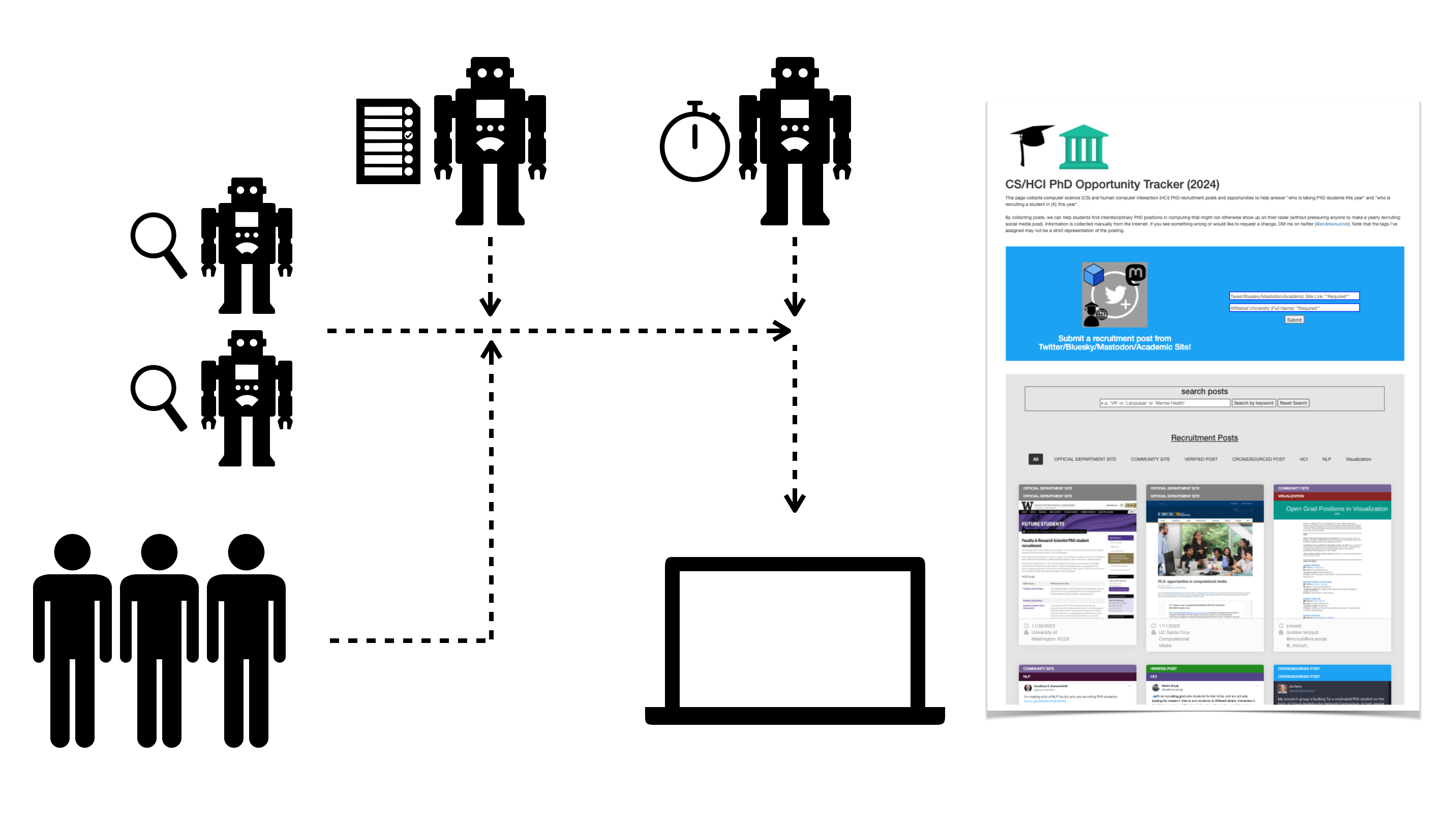
I completed my PhD at Carnegie Mellon University as a CMLH Digital Health Innovation Fellow, working with Dr. Niki Kittur (Human-Computer Interaction Institute) and Dr. Anita Woolley (Tepper School of Business). My thesis investigated how people use context information when performing complex tasks — building new systems to help people save and reuse task context, and developing methods to collect task data at scale (more on that below). I'm particularly proud of my work with the NSF AI-CARING AI Institute, where I applied my skills to design and led a multi-year research program creating methodologies and technology augments for asynchronous care teams. When I was a student, I also created a few well-received resources for the CS and HCI PhD student community, such as the (PhD Visit Day explainer on the CMU ML Blog), ("What to ask" guide), and the annual (CS/HCI PhD position dashboards).
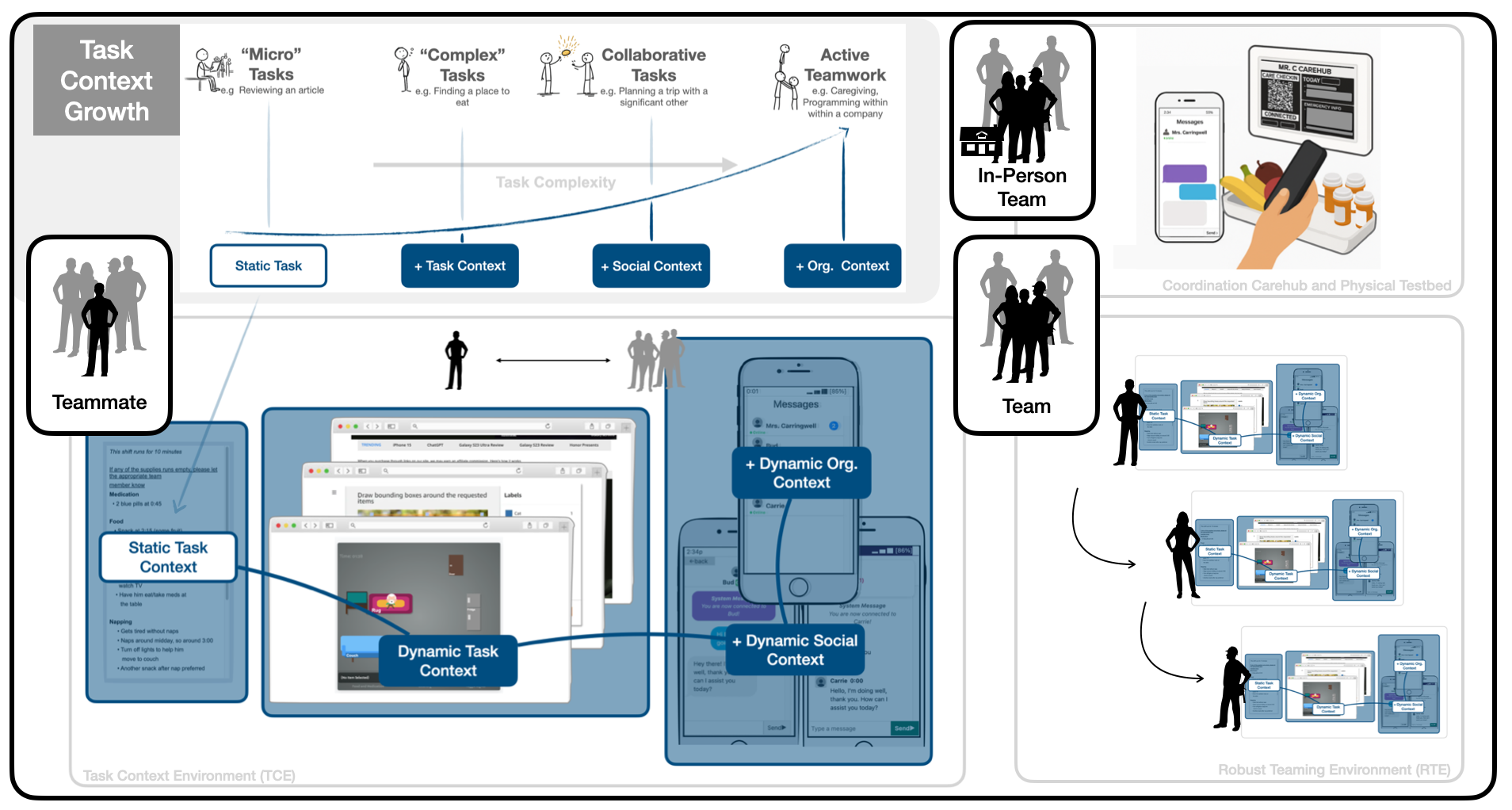
My PhD research aimed to enable distributed sensemaking for everyday tasks by investigating different ways technology can help store and mediate context information. Traditional sensemaking research focuses on individual users performing tasks with hidden cognitive processes (e.g., comparing items, making trust judgments). By revisiting sensemaking from the ground up, we can leverage context data to build novel, reliable, and useful sensemaking support systems that naturally scale beyond a single user. In my work, I focused on a bottom-up approach that integrates rich provenance data into the traditional sensemaking cycle (illustrated above). In the later parts of my PhD, this approach not only enhanced hidden steps of sensemaking but also re-imagined the orchestration of complex tasks in multi-agent or large human teams, building on organizational and cooperative work research that highlights the value of organic high-level structuring such as coordination, meta-reasoning, and standardization.
News
On the industry research job market — open to research scientist roles spanning HCI, AI for healthcare, and applied human–AI collaboration.
Defended my PhD thesis, Context Mediation for Sensemaking Support Systems, at Carnegie Mellon University, and started as a research scientist at the University of Pittsburgh.
Presented Transactive Memory in Caregiver Networks Using Artificial Intelligence at the AAAI Fall Symposium Series; Tasks, Time, and Tools preprint posted on arXiv.
Two papers at ACM Collective Intelligence (CI 2024): the Collaborative Caring Virtual Testbed and feedback/commitment in algorithmically managed contexts.
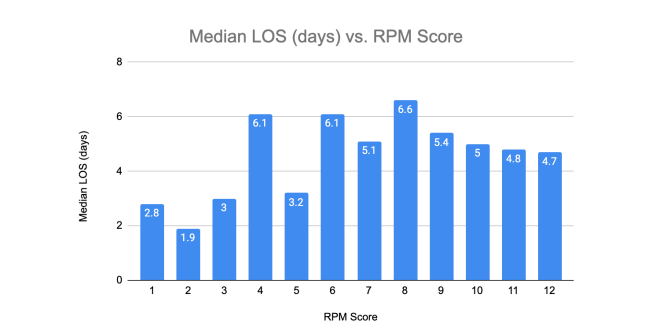
Three trauma triage abstracts (sRPM, RPM, mRPM) presented at NAEMSP and EMSWorld 2024.
Publications
2026
Safe to Talk: Psychological Safety and Conversational AI at Work
Allen S. Brown, Christopher Dishop, Andrew Kuznetsov, Anita Williams Woolley
Academy of Management (AOM) Annual Meeting, 2026.
A Head Start Without a Handshake: Team Context Introductions in Asynchronous Home Care Networks
Andrew Kuznetsov, Christopher Dishop, Allen S. Brown, Anita Williams Woolley
Academy of Management (AOM) Annual Meeting, Poster, 2026.
Safe to Talk: Psychological Safety and Conversational AI at Work
Allen S. Brown, Christopher Dishop, Andrew Kuznetsov, Anita Williams Woolley
Interdisciplinary Network for Group Research (INGRoup), 2026.
2025
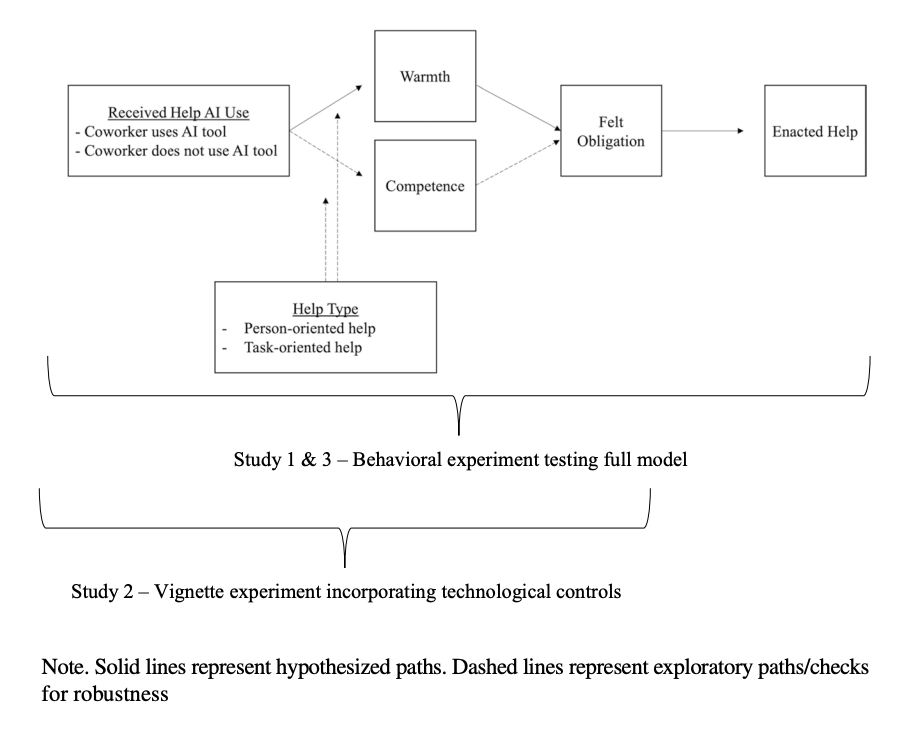
Machines in the Middle: Using Artificial Intelligence (AI) While Offering Help Affects Warmth, Felt Obligations, and Reciprocity
Christopher R. Dishop, Allen S. Brown, Ping-Ya Chao, Andrew Kuznetsov, Anita Williams Woolley
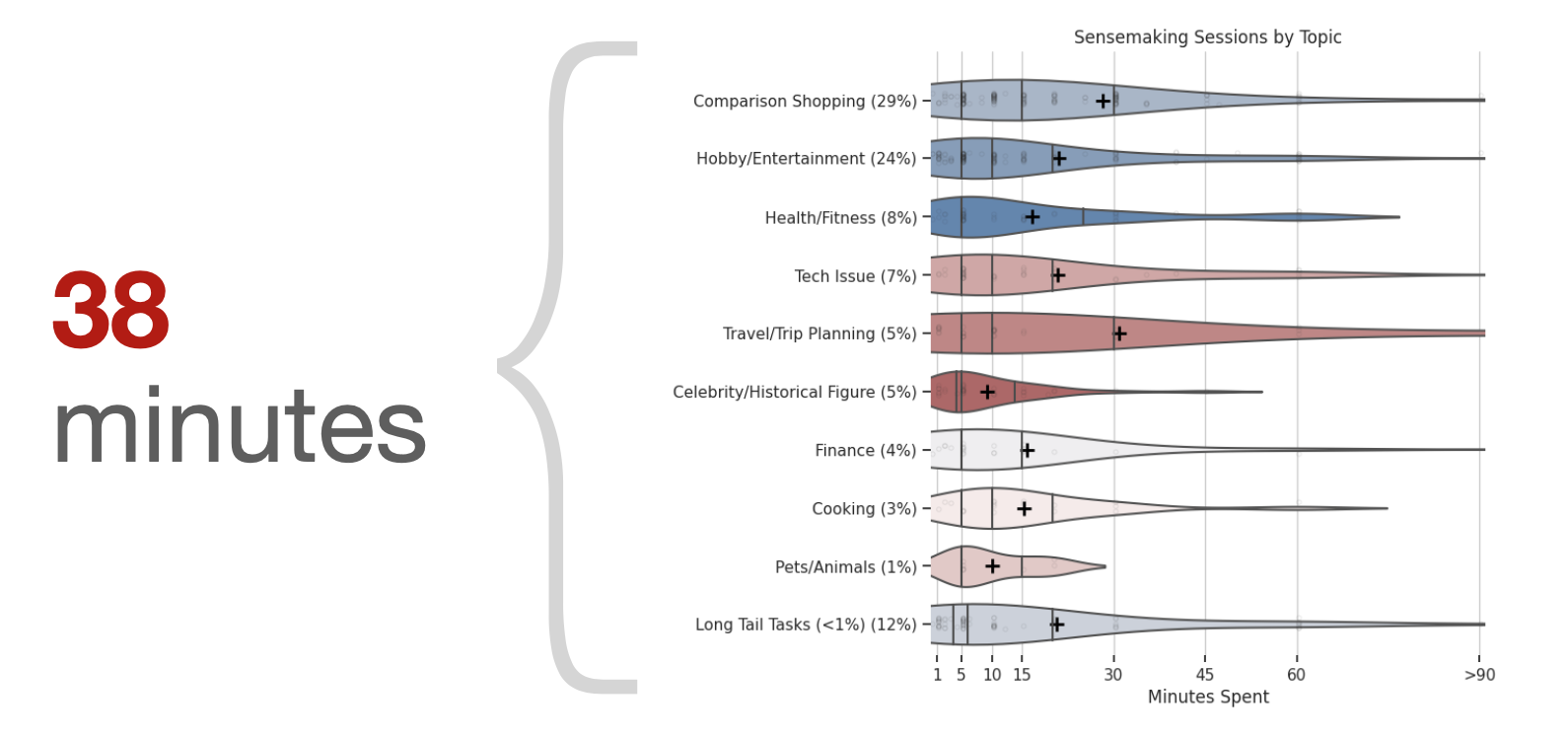
In this work, we use a survey-based approach with aided recall focused on segmenting and contextualizing individual exploratory browsing sessions to conduct a mixed method analysis of everyday sensemaking sessions in the traditional desktop browser setting while preserving user privacy. We report data from our survey (n=111) collected in September, 2022, and use these results to update and deepen the rich literature on information seeking behavior and exploratory search, contributing new empirical insights into the time spent per week and distribution of that time across tasks, and the lack of externalization and tool-use despite widespread desire for support.
Transactive Memory in Caregiver Networks Using Artificial Intelligence
Andrew Kuznetsov, Ping-Ya Chao, Christopher Dishop, Allen Brown, Anita Williams Woolley
AAAI Fall Symposium Series (FSS), 2024.
[Summary+]
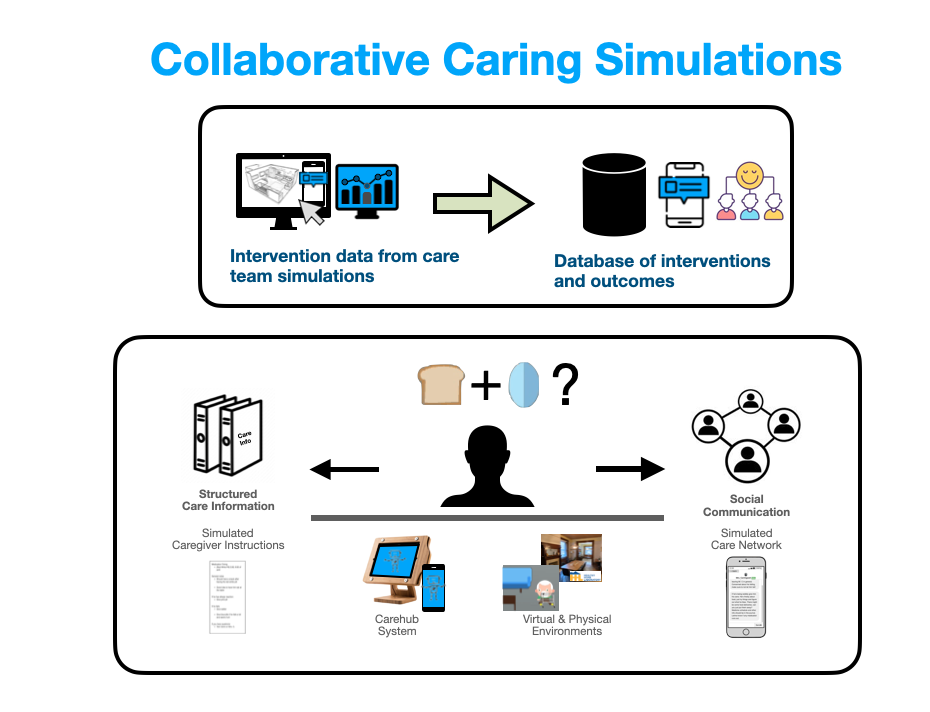
In this work, we explore how artificial intelligence (AI) may be used to develop tools to help loosely connected care networks develop better collective cognition. Specifically, we focus on helping members of care networks develop a transactive memory system, or a shared system for storing and retrieving knowledge that expands the capacity of a group to effectively use information. In this paper, we describe the motivation for our study, and our planned research program based on the use of an online experimental platform facilitating human-AI collaboration to develop and test tools to enhance collective cognition in care networks.
The Collaborative Caring Virtual Testbed: A software platform for prototyping collective intelligence interventions for asynchronous care-teams.
Andrew Kuznetsov, Ping-Ya Chao, Christopher Dishop, Allen Brown, Anita Williams Woolley
ACM Collective Intelligence (CI), 2024.
[Summary+]
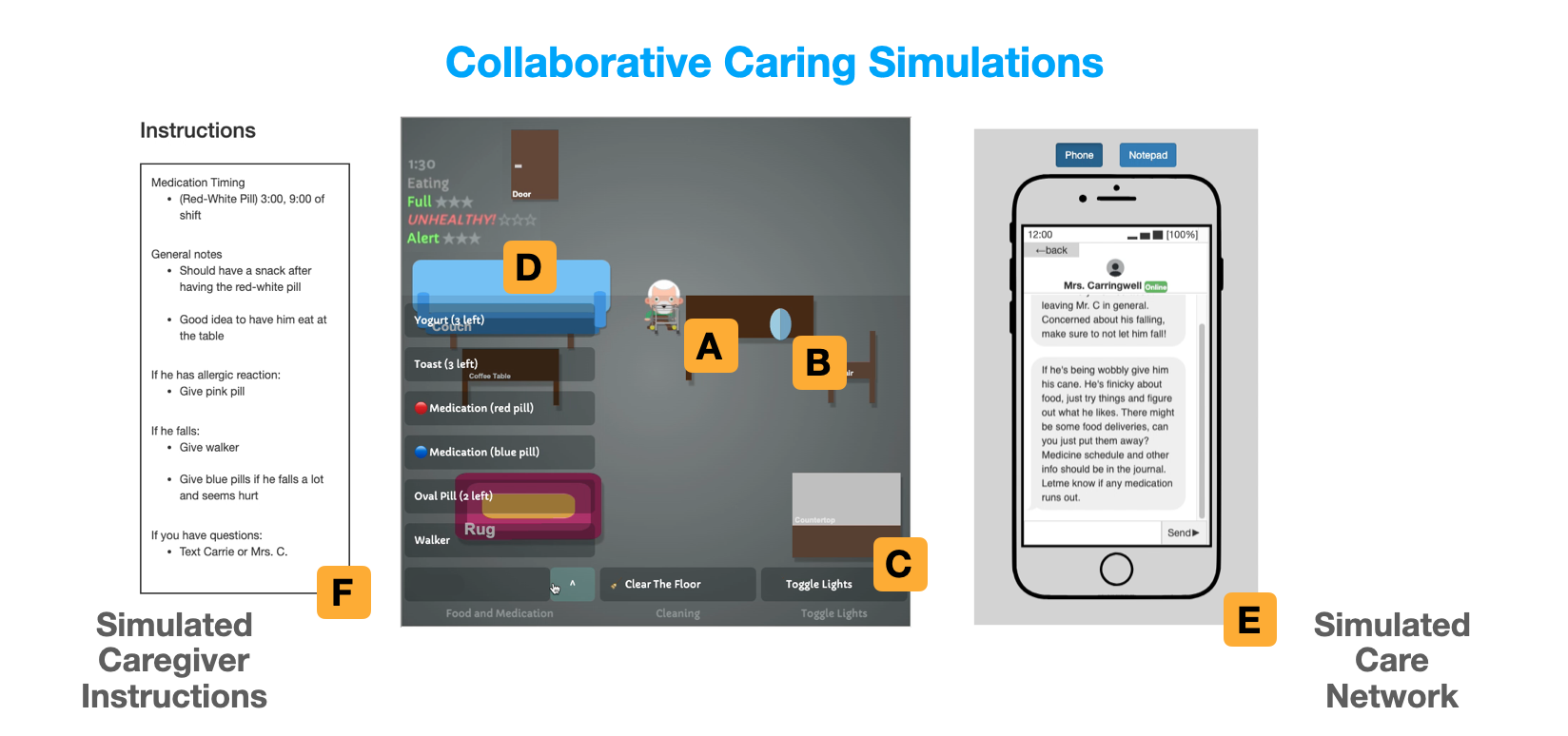
In this work, we demonstrate the Collaborative Caring Virtual Testbed, a software platform and framework designed to support online experimentation regarding sensemaking and collective intelligence tools for careteams. Each platform session features a caregiving simulation within a modular interface. Combined, the two components enable the evaluation of many different interventions within a variety of collaborative caring situations. In each session, the platform uses interface modules to implement interventions that users may interact with as they complete their tasks, such as the introduction of a software system (e.g. decision-making support, sensemaking-support, and team communication tools), AI-assistance (e.g. AI-mediated peer communication, interactive AI agents), and less technical interventions such as cognitive priming. In addition, the caregiving simulation can be configured to modify the care network available to each caregiver, and the number and health conditions of care recipients. The platform supports both individual user studies, as well as asynchronous team studies by connecting shift sessions together. In the future, we plan to integrate this platform with a physical testbed platform to enable the full-cycle simulation and validation of interventions for distributed teams. In this demonstration, we will be showing the platform as configured for the study of informal caregivers of individuals with mild-cognitive impairment (MCI).
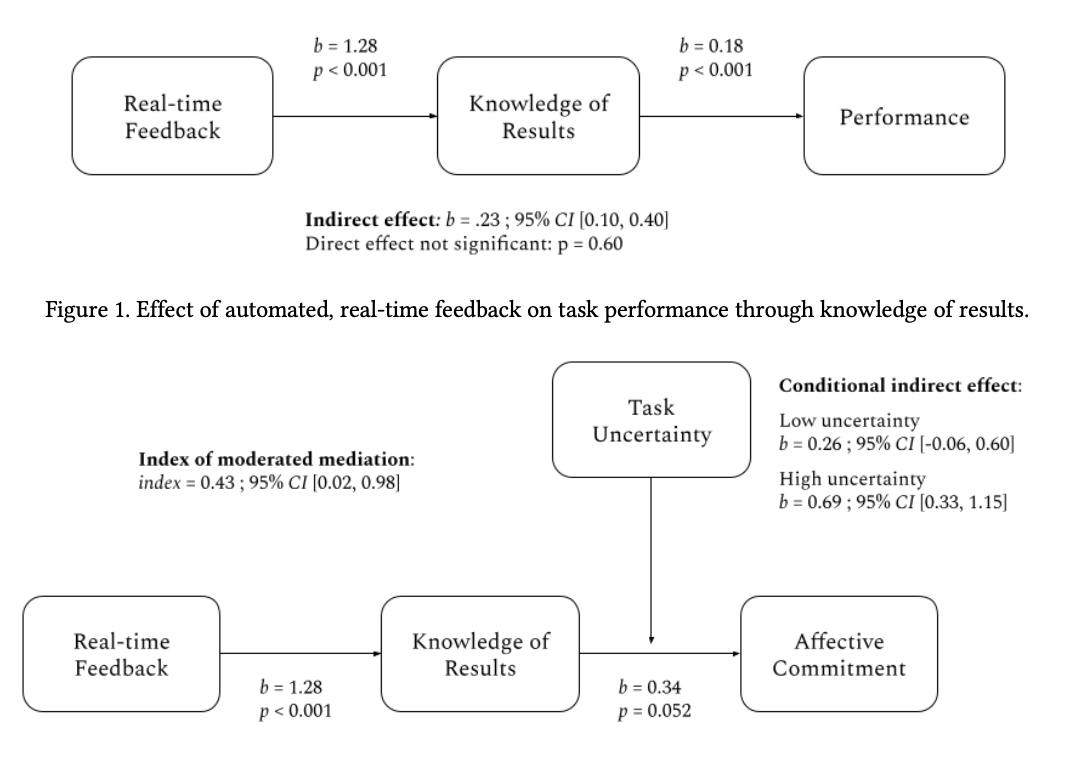
Beyond efficiency: Commitment issues: Feedback, commitment, and performance in algorithmically managed contexts.
Christopher Dishop, Allen Brown, Andrew Kuznetsov, Ping-Ya Chao, Anita Williams Woolley
ACM Collective Intelligence (CI), 2024.
2022
Fuse: In-Situ Sensemaking Support in the Browser
Andrew Kuznetsov, Joseph Chee Chang, Nathan Hahn, Napol Rachatasumrit, Bradley Breneisen, Julina Coupland, Aniket Kittur.
ACM Symposium on User Interface Software and Technology (UIST), 2022.
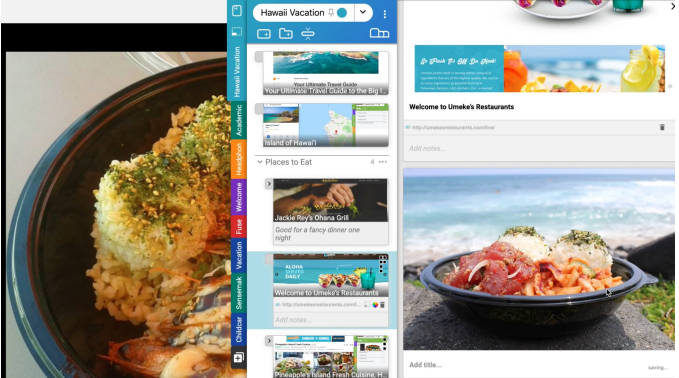
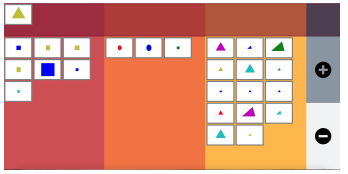
A browser extension that externalizes users’ working memory by combining low-cost collection with lightweight organization of content in a compact card-based sidebar that is always available. Fuse helps users simultaneously extract key web content and structure it in a lightweight and visual way. We discuss how these affordances help users externalize more of their mental model into the system (e.g., saving, annotating, and structuring items) and support fast reviewing and resumption of task contexts. Our 22-month public deployment (N=89) and follow-up interviews provide longitudinal insights into the structuring behaviors of real-world users conducting information foraging tasks.
Wigglite: Low-cost Information Collection and Triage
Michael Liu, Andrew Kuznetsov, Yongsung Kim, Joseph Chee Chang, Aniket Kittur, Brad A. Myers.
ACM Symposium on User Interface Software and Technology (UIST), 2022.
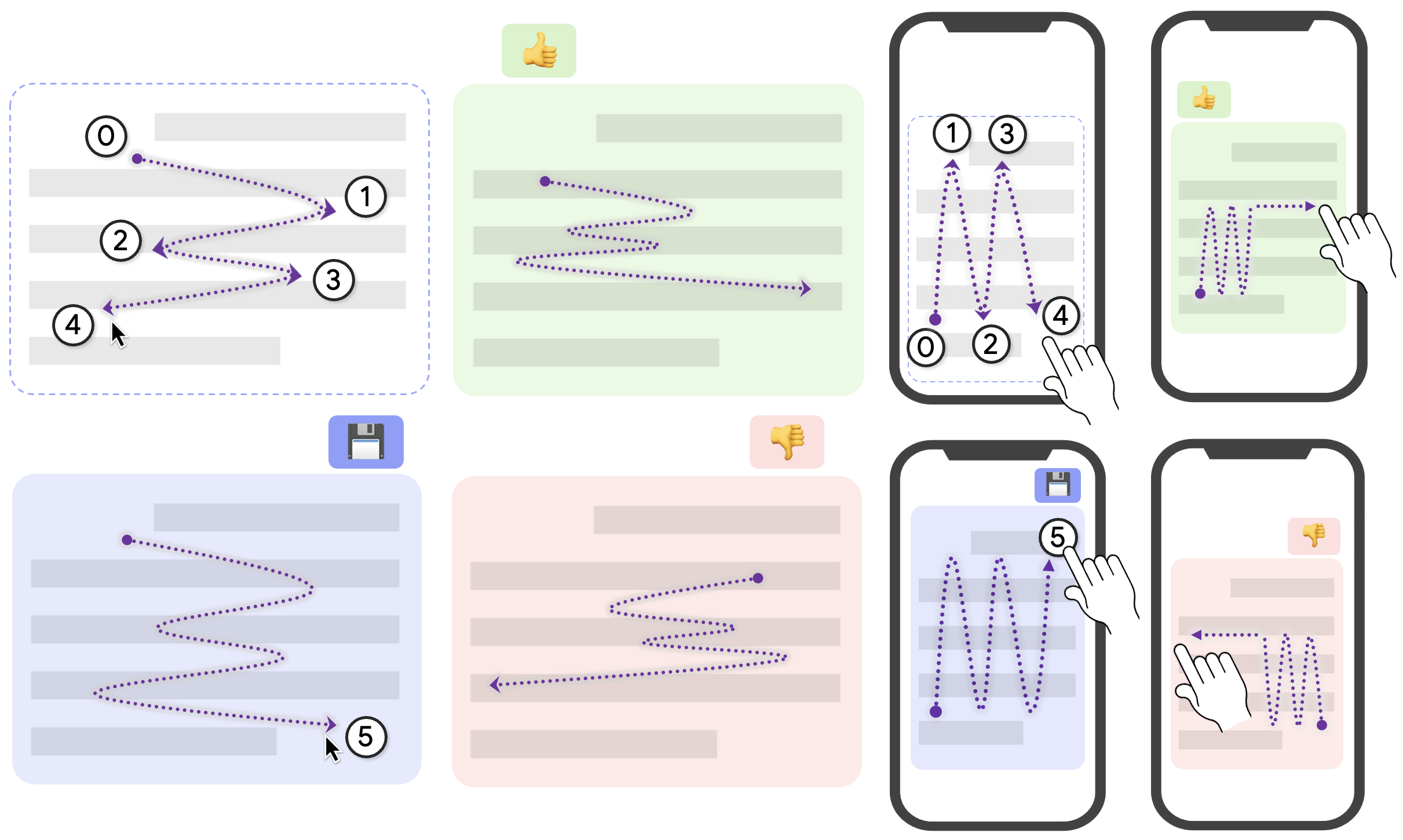
In this work, we explore a new interaction technique called “wiggling,” which can be used to fluidly collect, organize, and rate information during early sensemaking stages with a single gesture. Wiggling involves rapid back-and-forth movements of a pointer or up-and-down scrolling on a smartphone, which can indicate the information to be collected and its valence, using a single, light-weight gesture that does not interfere with other interactions that are already available. Through implementation and user evaluation, we found that wiggling helped participants accurately collect information and encode their mental context with a 58% reduction in operational cost while being 24% faster compared to a common baseline.
Templates and Trust-o-meters: Towards a widely deployable indicator of trust in Wikipedia.
Andrew Kuznetsov, Margeigh Novotny, Jessica Klein, Diego Saez-Trumper, Aniket Kittur
ACM CHI Conference on Human Factors in Computing Systems (CHI), 2022.
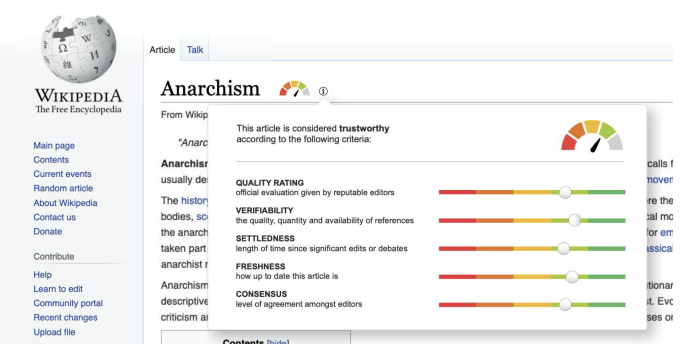
In this work we identify and address three key challenges: empirically determining which metrics from prior and existing community approaches most impact reader trust; 2) validating indicator placements and designs that are both compact yet noticed by readers; and 3) demonstrating that such indicators can not only lower trust but also increase perceived trust in the system when appropriate. By addressing these, we aim to provide a foundation for future tools that can practically increase trust in user generated content and the sociotechnical systems that generate and maintain them.
2021
An open repository of real-time COVID-19 indicators
Alex Reinhart, Logan Brooks, Maria Jahja ... Andrew Kuznetsov, Ryan Tibshirani.
Proceedings of the National Academy of Sciences (PNAS), 2021.
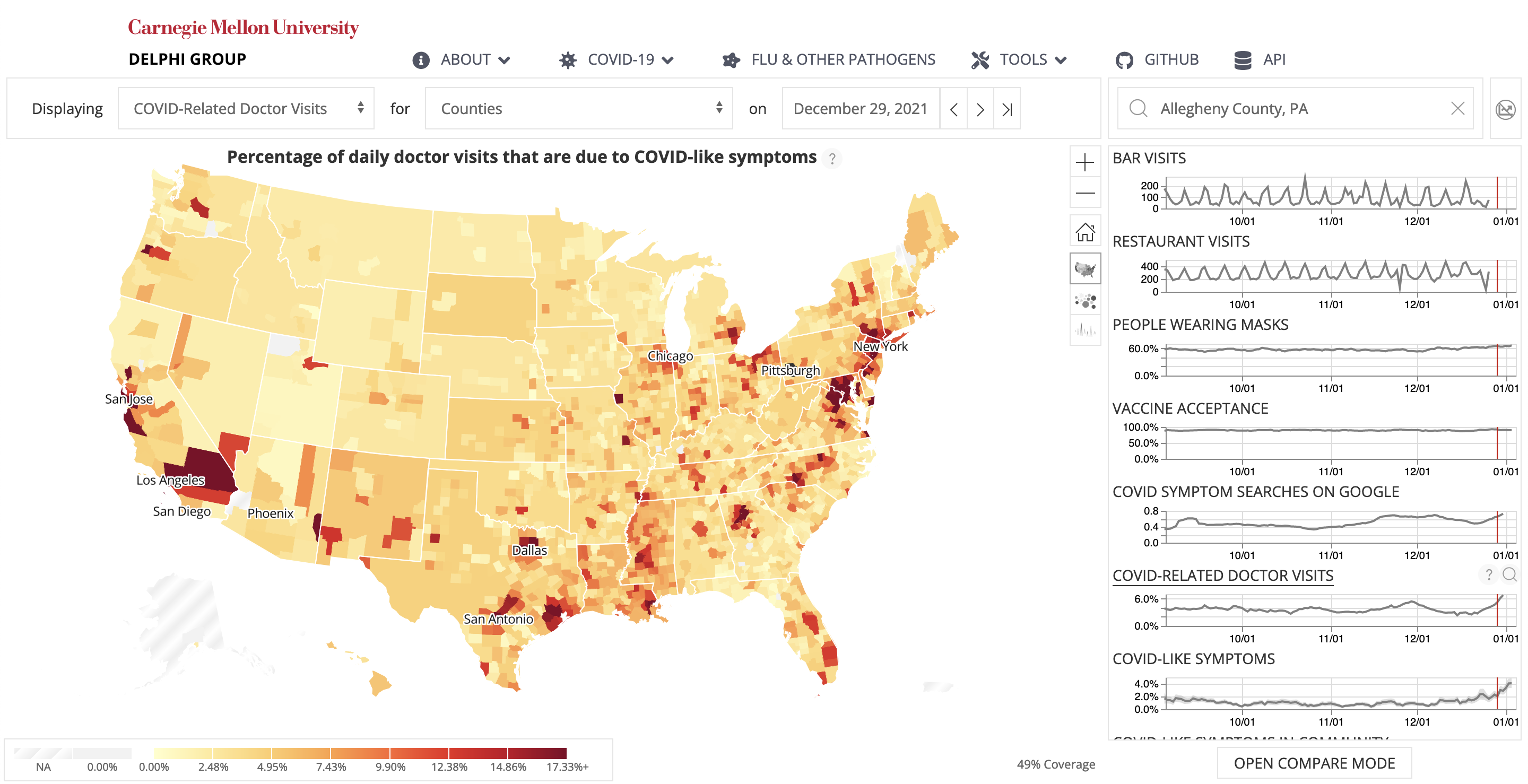
Operational since April 2020, the COVIDcast API provides open access to both traditional public health surveillance signals (cases, deaths, and hospitalizations) and many auxiliary indicators of COVID-19 activity, such as signals extracted from deidentified medical claims data, massive online surveys, cell phone mobility data, and internet search trends. These are available at a fine geographic resolution (mostly at the county level) and are updated daily. The COVIDcast API also tracks all revisions to historical data, allowing modelers to account for the frequent revisions and backfill that are common for many public health data sources. All of the data are available in a common format through the API and accompanying R and Python software packages. This paper describes the data sources and signals, and provides examples demonstrating that the auxiliary signals in the COVIDcast API present information relevant to tracking COVID activity, augmenting traditional public health reporting and empowering research and decision-making.
2020
LIFT: Integrating Stakeholder Voices into Algorithmic Team Formation
Emily M. Hastings, Albatool Alamri, Andrew Kuznetsov, Christine Pisarczyk, Karrie Karahalios, Darko Marinov, Brian P. Bailey.
ACM CHI Conference on Human Factors in Computing Systems (CHI), 2020.
A novel learner-centered workflow where students propose, vote for, and weigh the criteria used as inputs to the team formation algorithm. We conducted an experiment (N=289) comparing LIFT to the usual instructor-led process, and interviewed participants to evaluate their perceptions of LIFT and its outcomes. Learners proposed novel criteria not included in existing algorithmic tools, such as organizational style. They avoided criteria like gender and GPA that instructors frequently select, and preferred those promoting efficient collaboration. LIFT led to team outcomes comparable to those achieved by the instructor-led approach, and teams valued having control of the team formation process. We provide instructors and designers with a workflow and evidence supporting giving learners control of the algorithmic process used for grouping them into teams.
2016
It's just a matter of perspective (s): Crowd-Powered Consensus Organization of Corpora
Ayush Jain, Joon Young Seo, Karan Goel, Andrew Kuznetsov, Aditya Parameswaran, Hari Sundaram.
We develop cost-efficient, accurate algorithms for identifying the consensus organization (i.e., the organizing perspective most workers prefer to employ), and incorporate these algorithms into a cost-effective workflow for organizing a collection of objects, termed ORCHESTRA. We compare our algorithms with other algorithms for clustering, on a variety of real-world datasets, and demonstrate that ORCHESTRA organizes items better and at significantly lower costs.
Conference Abstracts & Posters
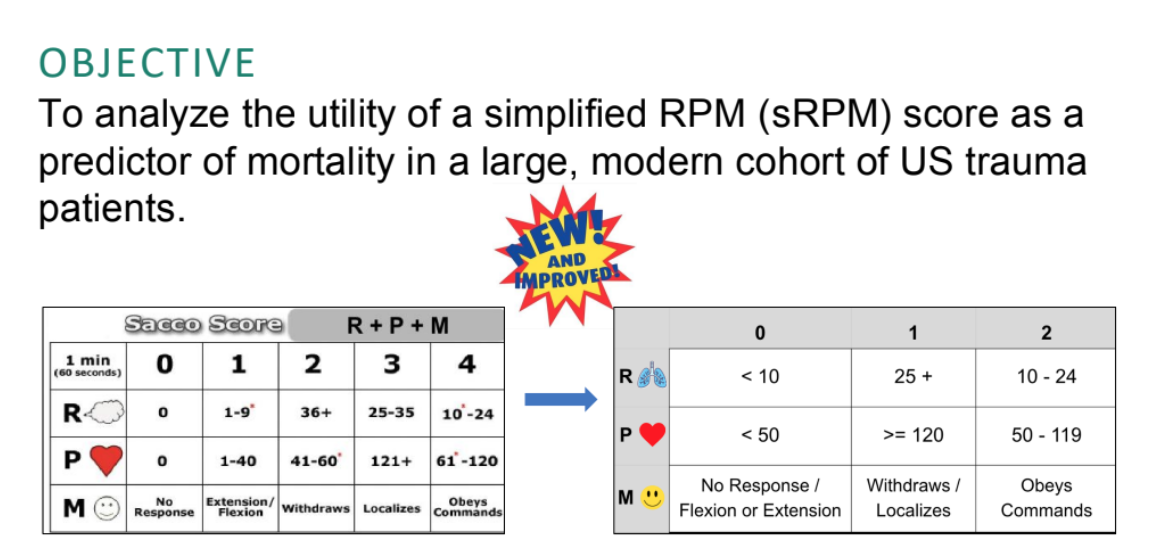
Association of a Simplified RPM Triage Score with Mortality May Indicate an Opportunity for Easier but Still Valid Rapid Triage of Injured Patients
(EMSWorld) Andrew Kuznetsov, Earl V. Culvey, Shaylin Dalton, George S. Koshy, Anthony R. Fernandez, Douglas F. Kupas.
(NAEMSP) Shaylin Dalton, Andrew Kuznetsov, George S. Koshy, Earl V. Culvey, Anthony R. Fernandez, Douglas F. Kupas.
EMSWorld / NAEMSP, 2024.
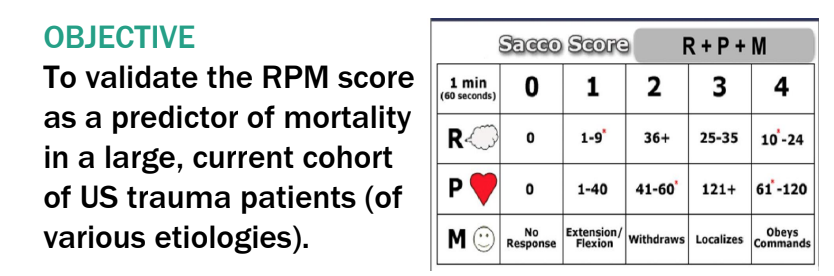
Validating the Use of the RPM Score for Triage of Injured Patients in a Current Trauma Population
(EMSWorld) Earl V. Culvey, Andrew Kuznetsov, George S. Koshy, Shaylin Dalton, Anthony R. Fernandez, Douglas F. Kupas.
(NAEMSP) George S. Koshy, Andrew Kuznetsov, Earl V. Culvey, Shaylin Dalton, Anthony R. Fernandez, Douglas F. Kupas.
EMSWorld / NAEMSP, 2024.
Is the RPM Trauma Triage Score Valid in Predicting Mortality in Prehospital Patients with Non-traumatic Medical Illness?
(EMSWorld) George S. Koshy, Andrew Kuznetsov, Earl V. Culvey, Shaylin Dalton, Anthony R. Fernandez, Douglas F. Kupas.
(NAEMSP) Andrew Kuznetsov, George S. Koshy, Shaylin Dalton, Earl V. Culvey, Anthony R. Fernandez, Douglas F. Kupas.
EMSWorld / NAEMSP, 2024.
Other Work & Demos
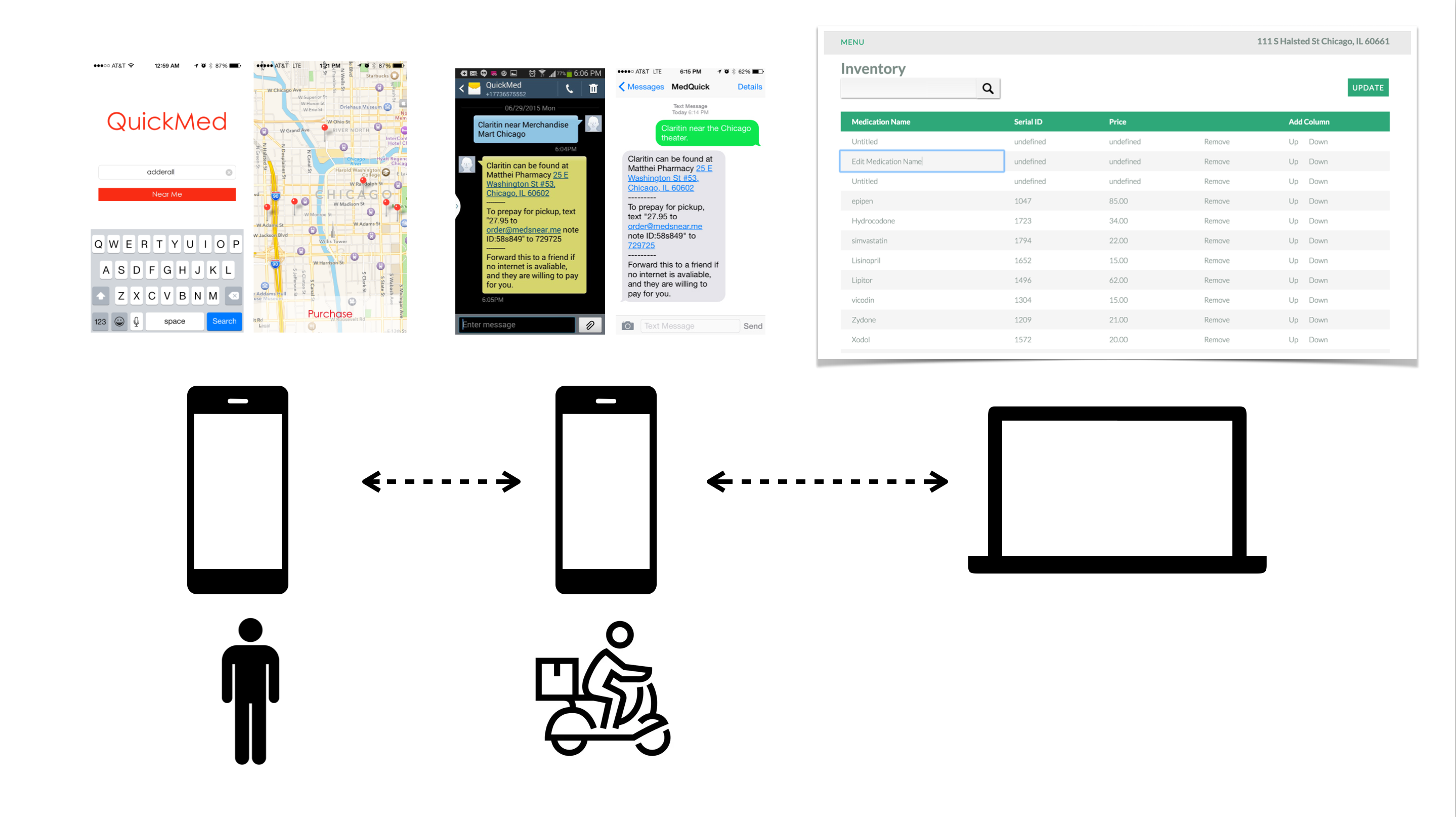
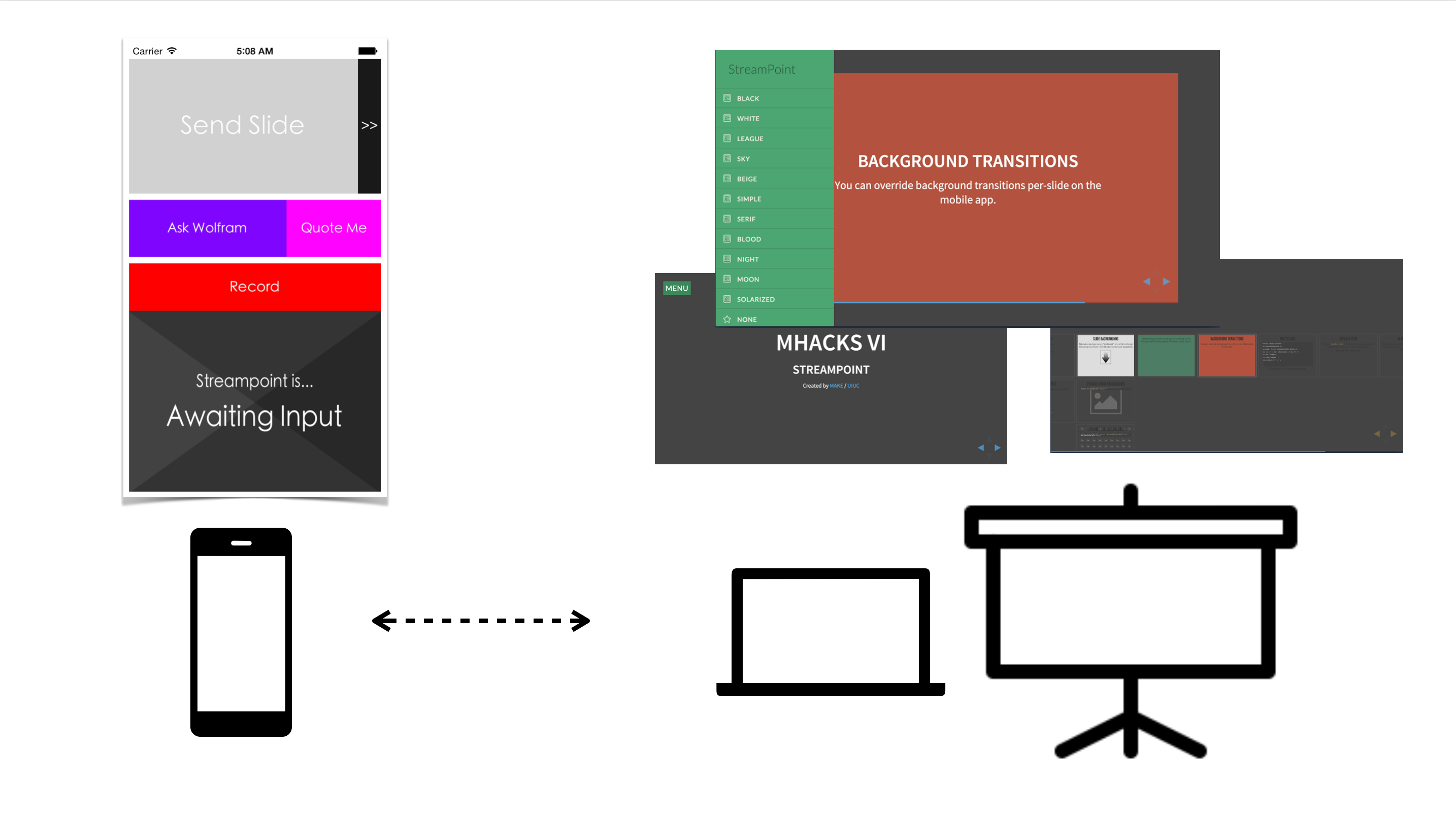
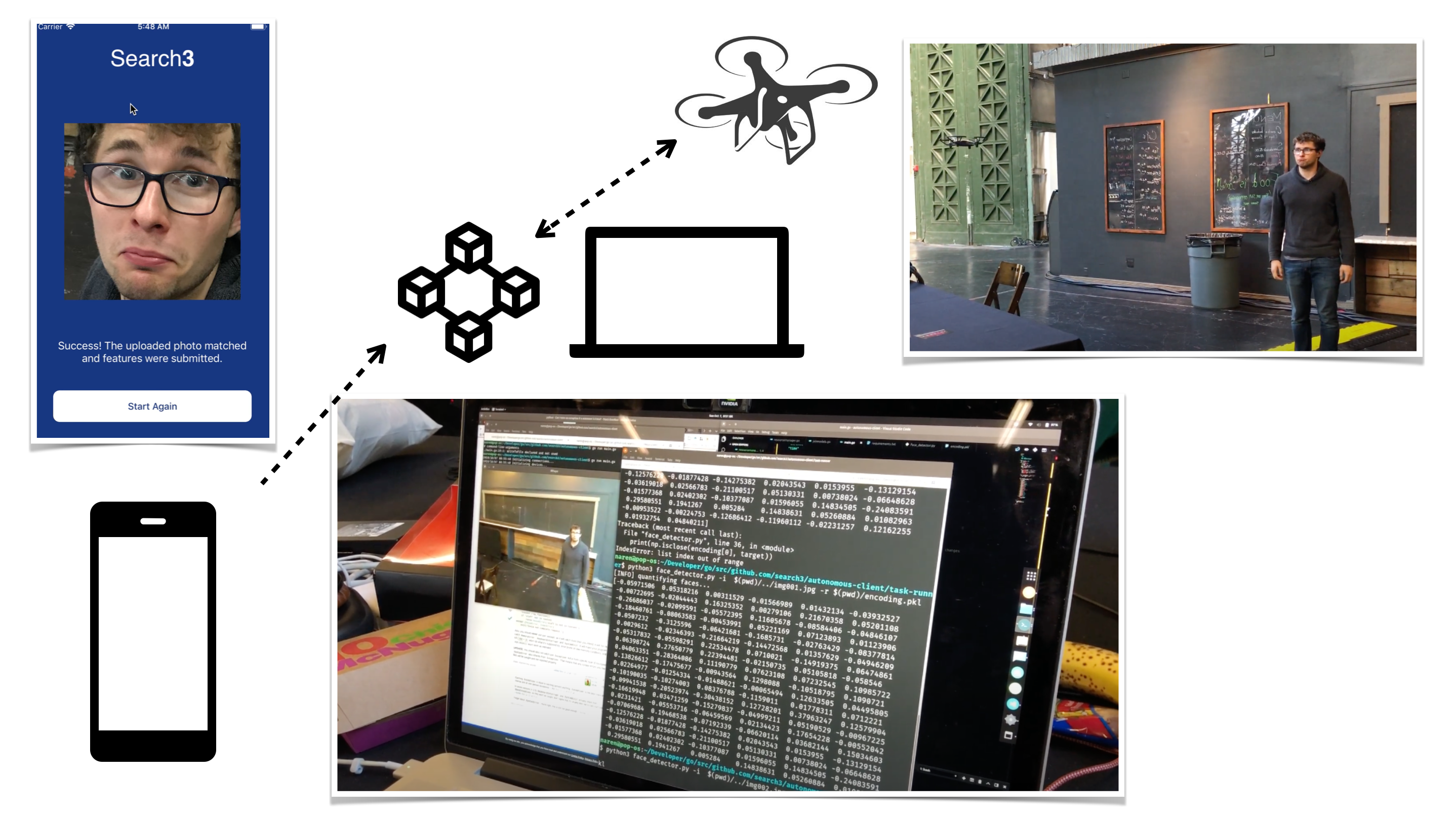
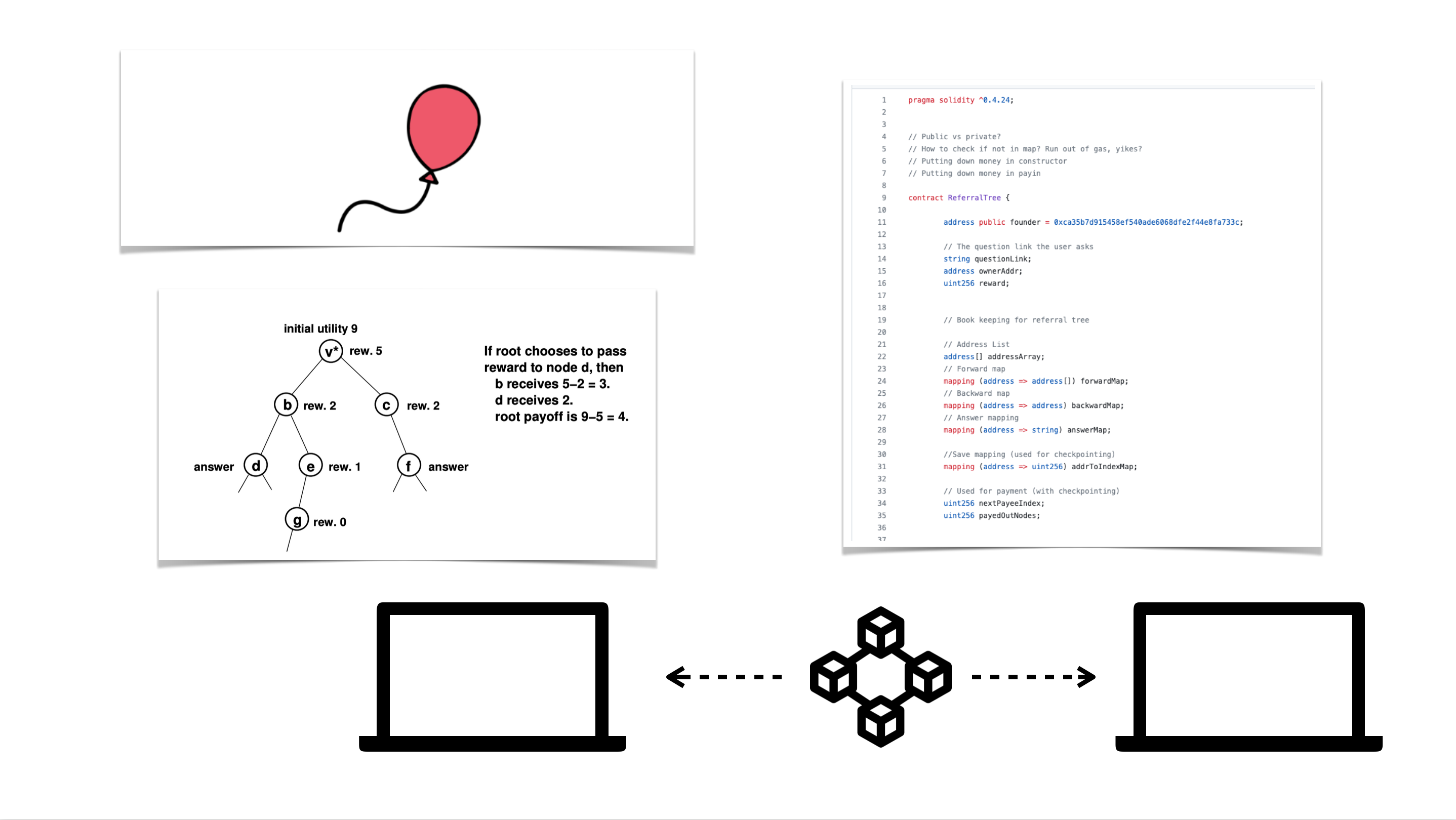
Outside of full-stack web development, I maintain a wide range of prototyping experiences, including mobile development, AR/VR , hardware and IoT devices, as well as some more esoteric stuff like Solidity (Ethereum).
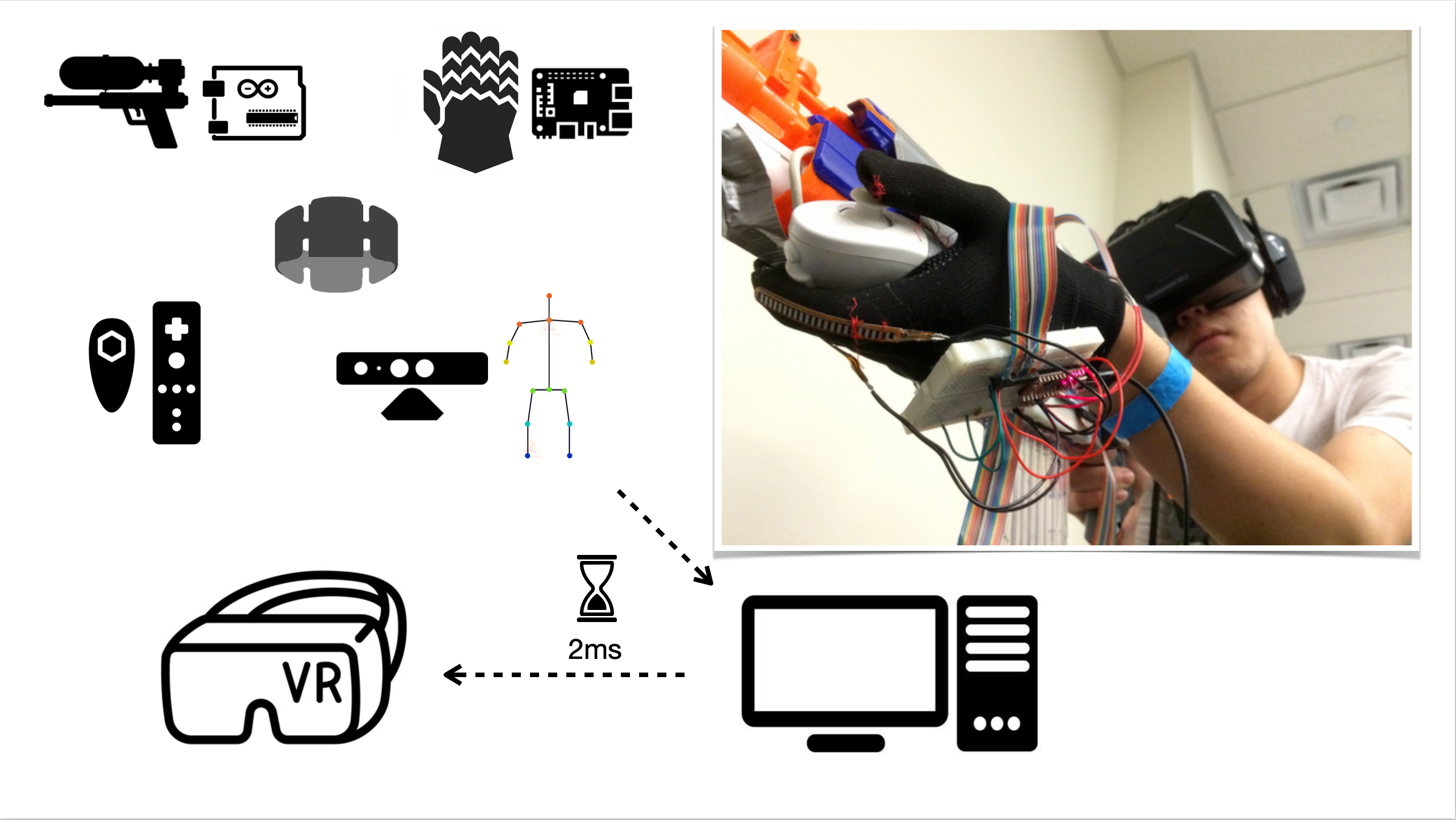
Left 4 Virtual Reality (2015)
Re-purposing Consumer Toys as VR Input Devices
Nerf toy // Wii controller // Microsoft Kinect // Hardware flex sensors // Particle, Arduino micro-controller board.

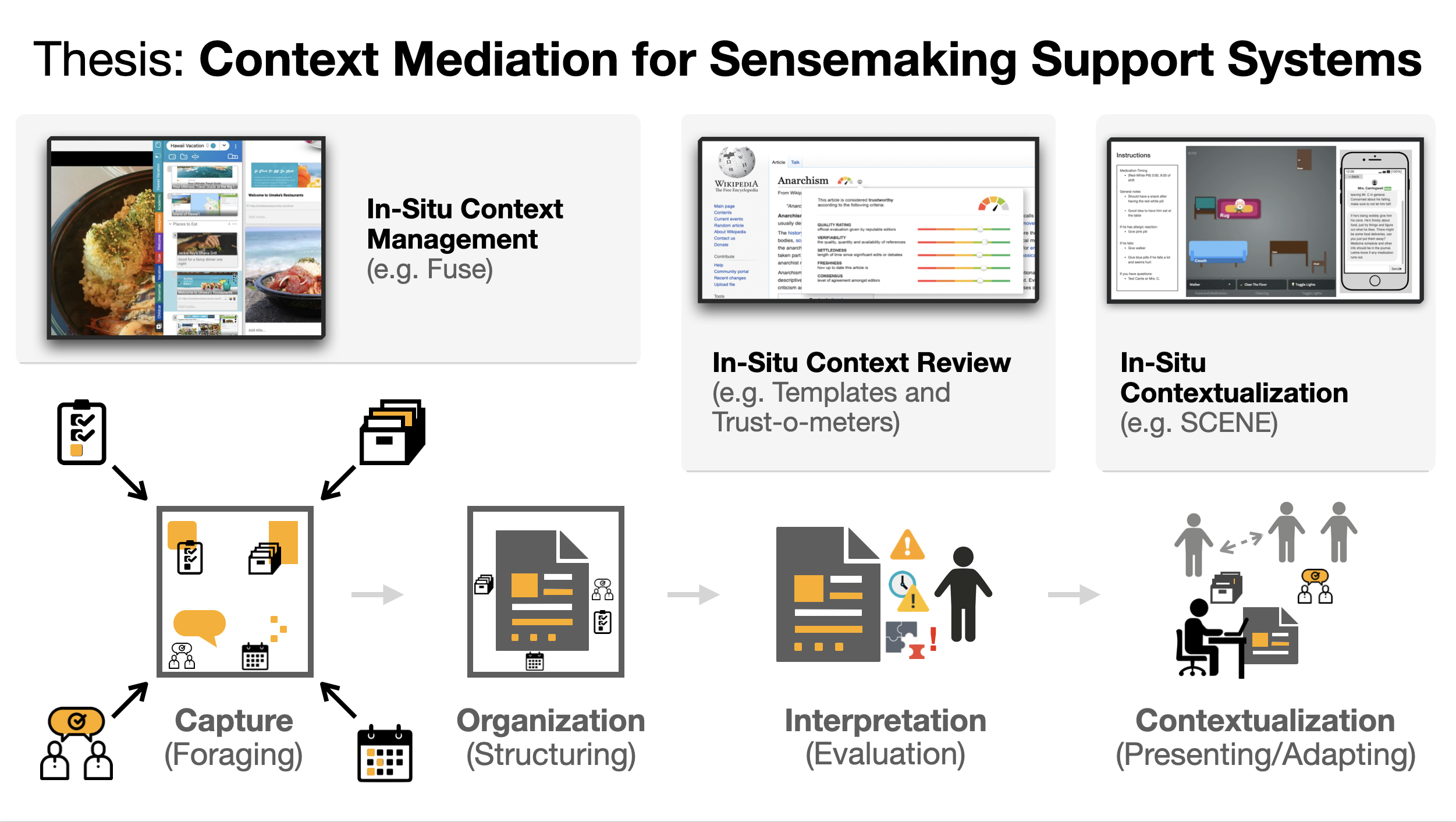 My PhD research aimed to enable distributed sensemaking for everyday tasks by investigating different ways technology can help store and mediate context information. Traditional sensemaking research focuses on individual users performing tasks with hidden cognitive processes (e.g., comparing items, making trust judgments). By revisiting sensemaking from the ground up, we can leverage context data to build novel, reliable, and useful sensemaking support systems that naturally scale beyond a single user. In my work, I focused on a bottom-up approach that integrates rich provenance data into the traditional sensemaking cycle (illustrated above). In the later parts of my PhD, this approach not only enhanced hidden steps of sensemaking but also re-imagined the orchestration of complex tasks in multi-agent or large human teams, building on organizational and cooperative work research that highlights the value of organic high-level structuring such as coordination, meta-reasoning, and standardization.